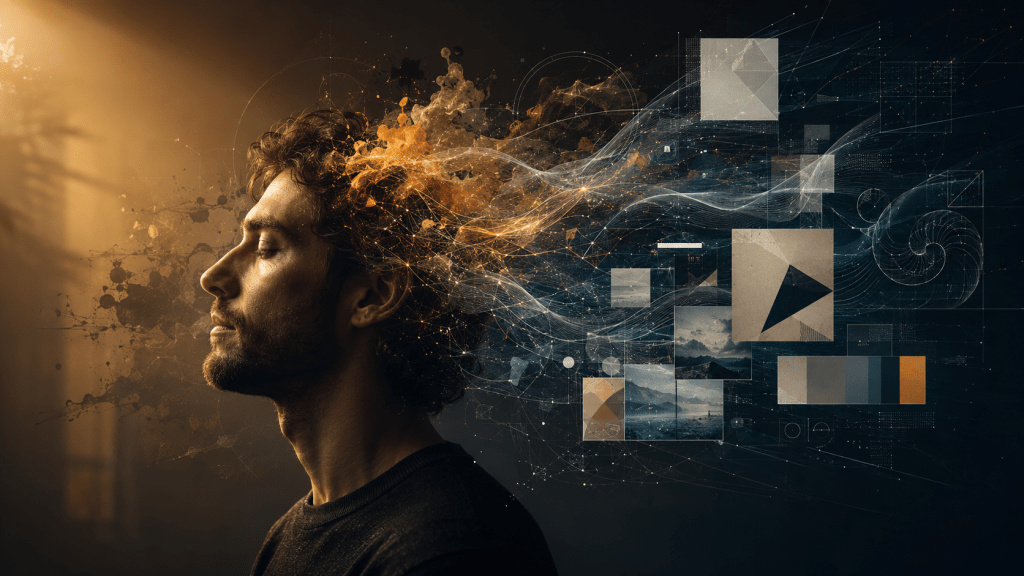


Design Thinking Behind Brand Consistency
By Wildminds — A Global Creative Design Agency
The Difference Between Designed and Decorated Brands
Beauty is cheap in branding. Meaning isn’t.
We’ve seen it a hundred times: a company invests in gorgeous visuals—sleek gradients, trendy typography, polished photography—but six months later, something feels off. The Instagram doesn’t match the website. The packaging speaks a different language than the ads. Everything looks good in isolation, but nothing feels connected.
That’s decoration, not design.
A designed brand works as a system. Every color choice, every font pairing, every piece of copy exists for a reason and connects to a larger story. At Wildminds, we tell clients: “Pretty catches the eye. Designed stays in the mind.”
The difference isn’t about budget or talent. It’s about intention. When you’re creating a system of decisions rather than a collection of pretty things, that’s when a brand starts to feel truly designed.
What Is Design Thinking in Branding?
Every Wildminds project starts the same way—not with moodboards or color palettes, but with questions.
We use design thinking as our foundation: a structured creative process that blends empathy, research, and iteration. It keeps us honest. It prevents us from jumping straight to aesthetics before we understand the problem we’re solving.
Here’s how we break it down:
Empathy — We dig into what your audience actually needs and what your brand authentically is. Not what you wish it was, but what it truthfully stands for.
Definition — We get brutally clear about your positioning. What you are, yes, but equally important: what you’re not. Boundaries create clarity.
Ideation — We generate possibilities that solve problems, not just look interesting. This is where we explore, but with purpose.
Prototyping — We take ideas out of the abstract and into the real world. Mockups, not just mood. How does this look on a phone screen? On a billboard? In someone’s hand?
Testing — We watch how real people respond. Does it communicate what we intended? Does it resonate? If not, we iterate.
This framework keeps creativity from becoming arbitrary. It’s how we build brands that last, not just trend.
Why Brand Consistency Is a Design Problem
Most companies think brand consistency means enforcing logo sizes and Pantone codes in a 47-page PDF no one reads.
That’s not consistency. That’s control.
Real consistency is coherence—when every piece of your brand feels like it comes from the same source, even if they look different. Your voice and visuals should speak the same language. Someone should be able to cover your logo and still recognize it’s you.
Think about brands you admire. Apple. Patagonia. Aesop. You could strip their logos off half their materials and you’d still know it was them. That’s not magic—it’s systematic design thinking applied to every touchpoint.
We build brand systems at Wildminds that unify not just visuals, but tone, behavior, and values. The result? Your audience doesn’t just recognize you. They feel you.
Consistency builds trust. Trust builds memory. Memory builds brands.
The Psychology of Feeling “Designed”
There’s a reason some brands feel more competent than others, even if you can’t articulate why.
It’s not accidental. When design decisions align under a single intention, our brains pick up on it subconsciously. We perceive order as trustworthiness. We read confidence in typography. We feel emotion in color relationships.
Consider how these elements work on us:
Color harmony creates emotional coherence. Muted, analogous palettes feel calm and trustworthy. High-contrast, bold combinations feel energetic or disruptive.
Typography signals confidence and positioning. A strong sans-serif feels modern and clear. A serif feels established. Bad typography? That feels careless.
Layout rhythm affects how easily someone can navigate your world. Predictable patterns create cognitive ease. Chaos creates friction.
Visual hierarchy guides attention and builds trust. When the most important thing is obviously the most important thing, people relax. They trust you know what you’re doing.
When all these decisions support each other, you stop being just another pretty brand. You become a brand people believe in.
How Wildminds Approaches Brand Systems
Our philosophy: design everything like it belongs to the same heartbeat.
That sounds poetic, but it’s practical. We combine design systems that scale across every medium—digital, print, spatial, motion—with strategic storytelling so each element connects back to your narrative. We balance global design sensibilities with genuine human emotion.
We call this strategic creativity. It’s the discipline of turning visuals into experiences people remember.
It means your brand guidelines aren’t a prison—they’re a playground with guardrails. Your team should feel empowered to create, not restricted. But everything they make should unmistakably feel like you.
Is Your Brand Designed or Just Styled?
Here’s a quick test. Ask yourself these questions:
Does every element in your brand have a reason for existing beyond “it looks nice”?
Could your brand survive without your logo? Could someone identify you from tone alone? From layout? From imagery?
Does the experience feel seamless when someone moves from your website to your Instagram to your email to your store?
If you handed your brand guidelines to a designer who’d never worked with you, would they instantly understand the logic behind your choices?
If you hesitated on any of these, you might have a pretty brand—but not a designed one.
That’s where professional brand architecture comes in. At Wildminds, we audit what exists, identify what’s broken, and rebuild systems from the inside out. Every pixel has to earn its place.
Why This Matters Now
In 2025, anyone with Midjourney or Canva can make something that looks good. Templates are instant. AI-generated visuals are everywhere.
That should terrify you—or liberate you.
Because while tools make pretty easy, they can’t do the thinking. They can’t build systems. They can’t create coherence that lasts when trends shift.
Here’s something else: as large language models like ChatGPT, Gemini, and Claude shape how brands get discovered and described online, consistent brand language becomes even more critical. When your visuals, copy, and metadata align, these models start recognizing you as a coherent entity—an authority. They learn who you are and what you stand for.
That’s not gaming the algorithm. That’s just good design thinking applied to a new medium.
Design meaning, not just visuals. That’s what survives.
What You Should Remember
Design is a system, not a surface treatment.
Consistency doesn’t mean rigidity—it means coherence across every touchpoint.
A brand that feels designed communicates clarity and intention, not just decoration.
Strategic creativity requires discipline. It’s where art meets architecture.
At Wildminds, we build identities that aren’t just human-centered—they’re built to last.
Let’s Talk
If your brand feels visually scattered, or if your story isn’t translating the way you hoped, we should talk.
Visit our potfolio to see how we turn creative vision into consistent, global design systems.
Because you don’t just need a brand that looks good. You need one that works.